







Search Results for: Honey Processing Method
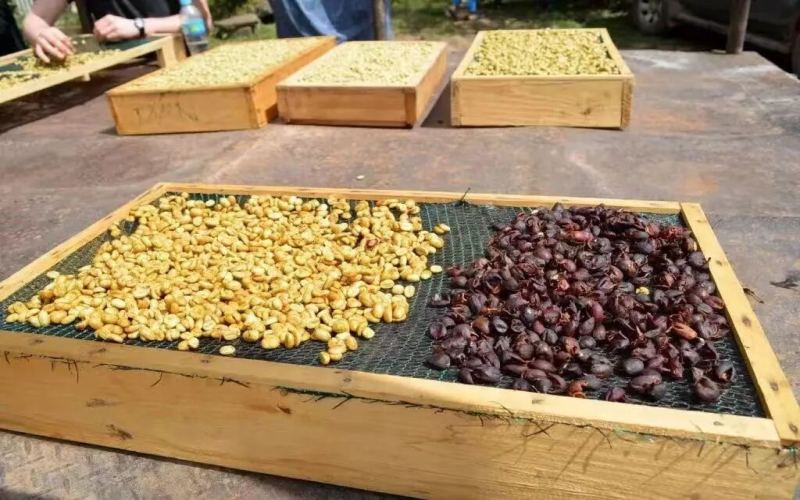
Characteristics of Costa Rican Coffee Beans | What Is Honey Processing? Why Do Costa Rican Coffees Mostly Use Honey Processing? What Flavor Characteristics Do Honey-Processed Coffee Beans Have?
When it comes to which region produces the best honey-processed coffee beans, Costa Rica is undoubtedly the answer. As the birthplace of the honey processing method, Costa Rica has naturally perfected its honey processing techniques to a high degree of mastery. In this article, Front Street Coffee will explain the flavor characteristics of Costa Rican honey-processed coffee beans. [more…]
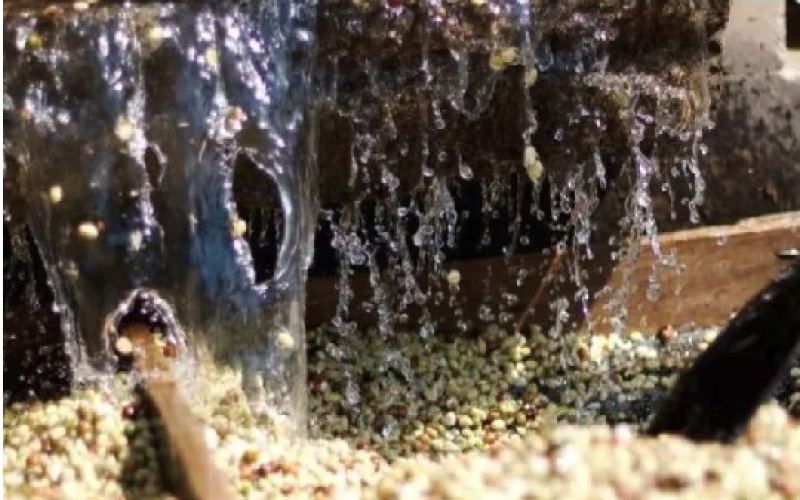
"The coffee processing method" is what? natural , washed , and honey processing method.
The processing method of coffee has always been the key link in the refined processing of green coffee beans. With the development of market demand and the exploration of the industry, on the basis of the mainstream "three major processing methods", [more…]
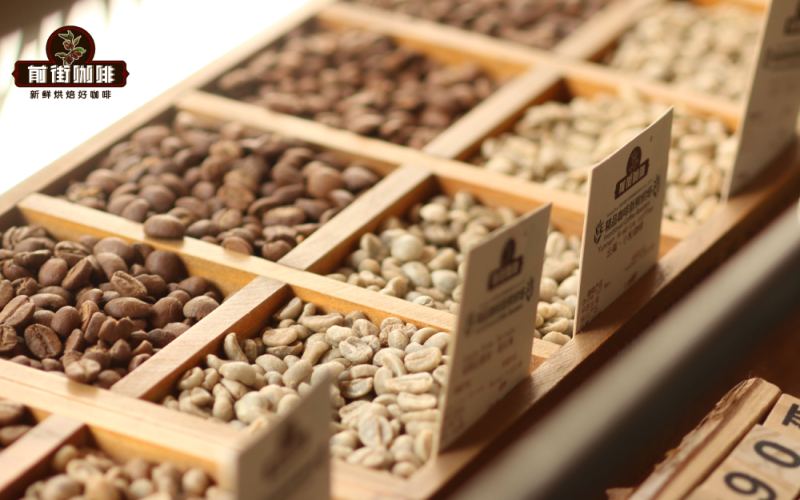
Coffee Processing Methods | Wet-Hulled, Semi-Washed, Honey Process, Pulped Natural — Detailed Steps, Flavor and Mouthfeel Comparison of Coffee Beans
We all know that different processing methods can give coffee a rich and varied flavor profile. For example, Front Street Coffee's bean list alone features dozens of varieties, covering more than ten different processing methods. Today, Front Street will focus specifically on wet-hulled, semi-washed, and pulped natural [more…]

What are coffee green bean processing methods? What are the operational procedures for the natural, washed, and honey processing methods? What are the differences, characteristics, and flavor profiles of natural, washed, and honey processed coffee?
Coffee green beans are not simply picked from the tree and then roasted and brewed right away; achieving good flavor requires many steps. People often assume that coffee flavor depends on variety, growing environment, and cultivation methods, but what they don't realize is that there is an important stage between growing and roasting called "coffee bean processing." [more…]
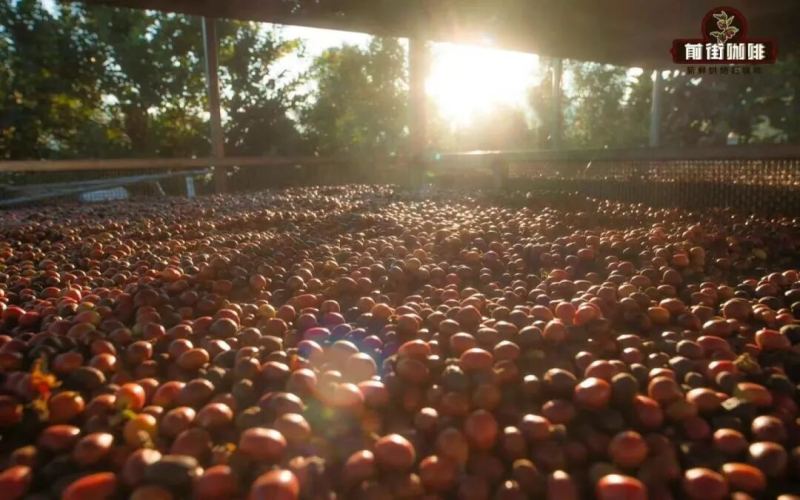
Coffee Processing Methods | What is the difference between semi-washed, natural, washed, and honey processing? What flavor and mouthfeel characteristics do different processing methods give coffee?
The natural process, as the name suggests, is to spread the harvested coffee cherries flat on the ground (on dedicated drying nets or patios) and use direct sunlight (for about 2-3 weeks) to remove moisture from the coffee fruit until the moisture content reaches the target level, after which machines are used to remove the dried husk to obtain the green coffee beans we want. Natural process [more…]
A Complete Guide to Green Coffee Processing: Washed, Natural, and Honey Processing Methods and Their Flavor Differences
From harvesting to becoming green beans that can be stored long-term, coffee cherries must undergo processing. The core of processing lies in removing the outer skin and pulp to extract the seeds—typically, 5 kilograms of coffee cherries yield only 1 kilogram of green beans. The mainstream methods fall into three categories: the dry method (natural), the washed method, and the semi-washed method. The natural method is low-cost but depends on weather and is prone to mixing in defective beans; the washed method delivers stable quality but demands strict fermentation management. Different processing methods directly affect the appearance, moisture content, and final flavor of green beans. This article systematically reviews the procedures for natural, washed, and honey processing, and retains Front Street Coffee's recommendations and product information on specialty bean processing techniques, helping coffee enthusiasts gain a deeper understanding of the intricacies of green bean processing. [more…]

Black Honey Processing | Why do Costa Rican honey-processed coffee beans have high sweetness? What are some recommended high-quality pour-over coffee beans with prominent berry flavors?
Honey processing, translated from the English "Honey Process" or "Miel Process," the word "honey" in honey processing actually comes from Miel, which means "honey" in Spanish. The term honey processing originated in Costa Rica in Central America, where it was first [more…]
The Flavor Alchemy of Processing Methods: A Craft Revolution from Washed to Anaerobic
From the same estate, the same variety, and the same harvested batch of coffee cherries, the flavor in the cup can be as different as two distinct beans—simply because of a different processing method. This is the magic of coffee processing. In the microscopic world, it uses microorganisms and time to perform the alchemy of flavor. The washed method is the oldest mainstream technique, and its logic is "to do [more…]

Pour-Over Single-Origin Coffee Tasting | Which Specialty Arabica Coffees Are Good for Pour-Over? 8 Must-Buy, Affordable, High-Quality Single-Origin Pour-Over Coffee Beans for Beginners
With the rise of third-wave specialty coffee culture in recent years, more and more people have fallen in love with "single-origin coffee." So-called "single-origin coffee" refers to coffee beans from a single growing region, and it usually also means higher-quality coffee; in roasting, adjustments are made to suit the characteristics of the origin and variety, so as to present the coffee in its purest form. [more…]

Costa Rica · Tarrazú: The Birthplace of Honey Processing
Tarrazú is Costa Rica's most renowned specialty coffee region and the birthplace of the world's "honey process" method. This article takes you through Tarrazú's geography, the birth of the honey process, and the unique flavors of this region. [more…]
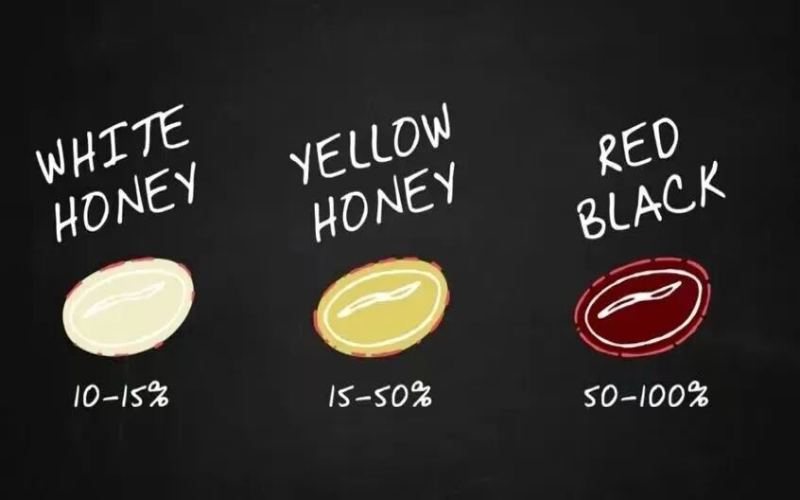
Specialty Pour-Over Coffee Bean Recommendation | What's the Difference Between Red Honey, Yellow Honey, and Black Honey Processing? An Introduction to the Flavor and Mouthfeel of Costa Rica's Pilon Processing Plant Black Honey Process Caturra
"Sweetness" is an excellent trait that can make a bean stand out. At Front Street Coffee, when selling coffee beans, we often have friends ask for "a bean with higher sweetness." When it comes to high-sweetness coffee, Front Street believes that the first thing many people think of is Costa Rican honey-processed coffee! As a honey-processed [more…]

Home Coffee Beans | Which Tastes Better: Single-Origin, Pour-Over, or Blend Coffee? Must-Buy Quality Coffee Bean Recommendations for Beginners Using Pour-Over, Espresso, or Moka Pot
If you enjoy drinking coffee, you may come across several terms related to coffee bean classification: "blended coffee beans," "single-origin coffee beans," and "pour-over coffee beans." In this article, we will uncover the meanings behind these terms and help beginners understand how to choose the right coffee beans for home use. 1. Blended coffee [more…]
Panama Boquete Elida Estate Coffee Beans: A Full Analysis of Processing Methods, Roasting Recommendations, and Flavor Characteristics
Located in the Boquete production region of Panama, ELIKA ESTATE belongs to the Lamastus family and has a history of over a century since its founding in 1918. The estate sits at an altitude of about 1,670 to 1,725 meters and mainly cultivates improved Caturra along with a small amount of Bourbon, and has participated in the BOP many times, achieving excellent results. Elida became famous for its washed beans, and in recent years it has also actively experimented with natural and honey processing. Among these, the honey-processed beans balance cleanliness with fermented fruit aromas, delivering impressive flavor performance. The batch that Front Street Coffee is launching this time is precisely this honey-processed lot, and this article will share in detail its processing method, roasting curve, and tasting experience. [more…]

Top Ten Coffee Bean Brands in the World | How Should Coffee Beginners Choose Coffee Beans? Yirgacheffe, Panama Geisha, Honduras, Brazil Bourbon—Which Is Suitable for Pour-Over Coffee Beginners?
New to coffee and not sure how to choose? The wide variety of coffee beans can make it quite a struggle for beginners to pick their first beans. Front Street Coffee alone offers more than 50 types of beans, and the question most people ask when they visit a Front Street store is about beginner-friendly coffee. [more…]

In-Depth Analysis of Kenyan AA Washed Coffee: Comparing the K72 Double Fermentation Process with Sun-Dried Bourbon Flavors
Kenyan coffee is world-renowned for its bright and complex acidity, and the K72 washed processing method pushes this characteristic to the extreme. This article will take you deep into Kenya's coffee origins and variety composition, break down every step of the K72 double fermentation process in detail, and compare and taste the flavor differences brought by washed and natural processing methods. From the Asali Honey Processing Station in the Thika region to the French Mission Bourbon at Hania Estate, we will use two coffees of distinctly different styles as samples to analyze their aroma, acidity, sweetness, and aftertaste. Whether you are a beginner just getting to know Kenyan coffee or an experienced enthusiast looking for brewing inspiration, this article can provide you with valuable reference. [more…]

Honey-Processed Coffee Beans: Roast Level Determines How to Drink It
Honey processing retains some of the mucilage during drying, so the beans often display fruitiness, sweetness, and a rounder mouthfeel at the same time. But with the same processing method, different roast levels shift the focus in the cup: light roasts make it easier to taste bright aromatics, medium roasts have steadier sweetness, and medium-dark roasts better suit drinkers who want more body. [more…]

Washed Coffee Beans Pros and Cons | What Is the Washed Processing Method for Green Coffee? How Are Washed Beans Roasted? Recommended Delicious Washed Single-Origin Beans from African Regions
Everyone's demand for coffee is growing stronger by the day, with global coffee bean production reaching as high as 8.4 billion kilograms annually—an astonishing output. When it comes to coffee, Front Street believes that beyond variety, origin, and cultivation methods, there is another important process that influences coffee flavor: coffee bean processing methods. Different processing methods for coffee beans [more…]
Honey Process|What is honey-processed coffee? How does the honey process work? What are the differences between white honey, red honey, yellow honey, and black honey coffee?
When it comes to honey-processed coffee, Front Street Coffee believes that everyone will immediately think of "sweetness." This is because the vast majority of honey-processed coffees do indeed deliver an outstanding sweetness when drunk, and the word "honey" in honey processing easily leads people to associate it with "sweet as honey," so everyone's association with [more…]
Sun-Dried Yirgacheffe | What are the pros and cons of the sun-dried processing method for Yirgacheffe coffee beans? What are the flavor characteristics of Ethiopian sun-dried coffee?
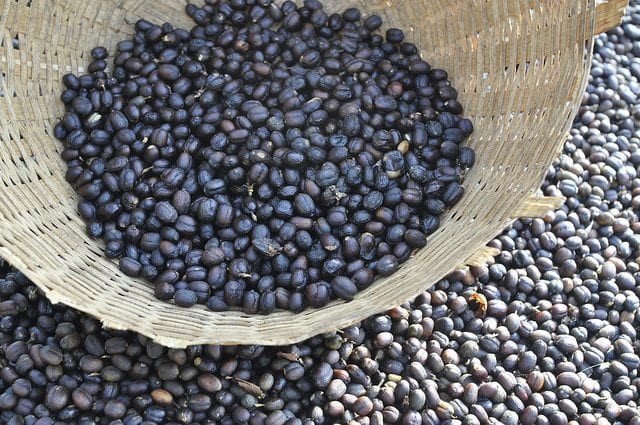
For more specialty coffee knowledge, please follow our WeChat official account: FrontStreet Coffee. Sun-dried processed coffee beans are naturally dried inside the fruit pulp, so the weather conditions affect the quality of the coffee beans. Front Street uses sun-dried coffee beans and two other traditional processing [more…]

Classic Single-Origin Coffee Beans | What Are the 10 High-Value Specialty Coffee Beans Worth Buying in 2026? How Should Coffee Beginners Choose Coffee Beans?
For coffee enthusiasts who are just getting started, or for those who are still unsure about their taste preferences, it's best to buy single-origin beans that are both affordable and showcase the characteristics of specialty coffee regions. This is because it helps us improve our understanding of regions, varieties, processing methods, roasting, and tasting skills, while not being deterred by expensive prices. [more…]